
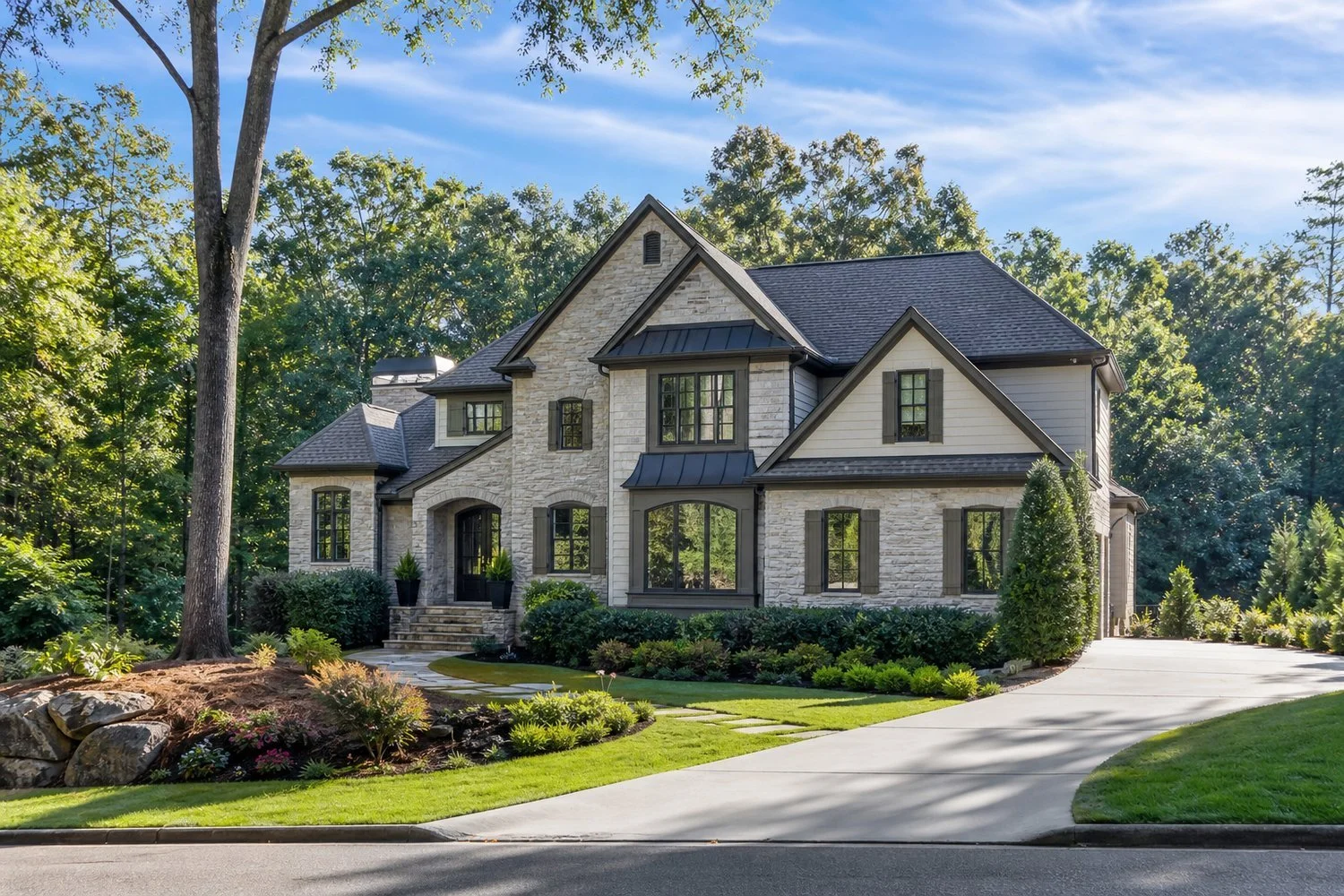
Before you touch the price, pull three lists: recent closed sales, homes under contract, and your active competition. Then read your first-week showings and feedback. Price moves when several signals agree. Fixable objections, like photos, access, or visible maintenance, get fixed first.
How do you price a Cherokee County home in a balanced market?
Price your Cherokee County home from three kinds of evidence: what similar homes recently closed for, what is under contract now, and what buyers can choose instead of you today. In a balanced market, a high asking price is no longer guaranteed to draw multiple offers, so a quiet first week calls for diagnosis, not an automatic price cut.
Key Takeaways
- Metro Atlanta had 21,053 active listings in September 2026, up 6.7% year over year, which works out to 4.9 months of supply, according to the Atlanta REALTORS® September 2026 market brief (an 11-county report that includes Cherokee).
- Closed sales, pending homes, and active competing listings each answer a different pricing question, and you need all three.
- No offer after seven days is a prompt to review showings, feedback, and presentation, not proof the price is wrong.
- Showings with no offers usually point to fixable objections or a price gap; few showings point to price, exposure, or access.
- Adjust the price when several indicators agree, and compare against newly listed competitors, not just last month's sales.
What evidence should set the asking price for your Cherokee County home?
Use three evidence groups together: recent closed sales, pending or under-contract homes, and active competing listings. Closed sales show what buyers paid. Pending homes show what is attracting buyers right now. Active listings show your real competition.
Each one has a blind spot, which is why leaning on only one gets sellers in trouble.
| Evidence group | What it tells you | Where it misleads |
|---|---|---|
| Recent closed sales | What buyers actually paid for similar homes | Those buyers shopped weeks or months ago, under different inventory |
| Pending / under-contract homes | What is attracting buyers today | Final sale prices and concessions are not known yet |
| Active competing listings | The alternatives a buyer can tour this weekend | Asking prices are hopes, not results |
Which comparisons matter most?
The best comparisons match on the features that change a buyer's decision. In Cherokee County that means:
- Location: city limits versus unincorporated county, and the specific community. A Towne Lake home and an acreage property outside Ball Ground are not comps for each other.
- Finished square footage and bedroom and bathroom count.
- Lot characteristics and whether there is a basement or terrace level.
- Construction era and the quality of any renovation.
- Garage capacity and HOA amenities.
- Deferred maintenance a buyer will see on the first walk-through.
A home with a new roof and updated kitchen should not be priced off a similar floor plan that still has original everything. This is the part where a local agent earns the fee. We build the comp set by hand, street by street, because a countywide average will not tell you where your house fits.
What does a balanced market change about pricing?
A balanced market is one where buyers have real alternatives and sellers cannot assume a high asking price will be tested by multiple offers. The September 2026 metro figures from Atlanta REALTORS® fit that picture: active listings up 6.7%, 4.9 months of supply, and homes averaging 30 days on market across the 11-county region.
That is a regional average, not a promise for your street. Your own marketing time depends on your price point, your condition, and which competitors listed the same week you did.
For a look at how pricing behavior shows up in a neighboring market, recent local market data for Alpharetta (all home types sold July–September 2026) shows the average sale price at 98.4% of list price, with 16% of homes selling above list and 63% below. In that same window, 41% of Alpharetta listings carried a price cut, averaging 3.2%, and 25% went under contract within two weeks of listing. Those are not Cherokee County numbers, and they are not a target for your price. They show that price adjustments are common in a balanced market and that sale prices land close to, not automatically above, the ask.
Want the numbers for your specific community and price point? That is exactly what a pricing consultation covers. For more on how sharp pricing plays out here, see our post on overpriced versus market-rate listings in North Metro Atlanta's balanced market.
Does a home that doesn't sell in week one need a price cut?
Not automatically. No offer after seven days can reflect price, presentation, access, photography, condition, buyer uncertainty, or just not enough exposure yet. A first-week review should diagnose which one it is before anyone touches the number.
We don't believe a listing is dead because it didn't sell in its first week. Keep evaluating, keep adjusting, and keep the decision tied to evidence.
What should you review at the end of week one?
- Showing volume: are buyers coming through at all?
- Private agent feedback: what are buyers' agents saying after the showing, and is the same comment repeating?
- Online engagement: are people viewing and saving the listing?
- Showing-to-offer conversion: do people tour and then go quiet?
- Return visits: are buyers coming back for a second look?
- Newly listed competitors: did something better-priced or better-presented hit the market since you did?
What do the patterns usually mean?
| What you see | What it often means | First move |
|---|---|---|
| Few or no showings | Price, weak photos, poor exposure, or limited access | Check the listing presentation and showing availability, then compare to new competitors |
| Showings, no offers, scattered feedback | Fixable objections or an early read of the market | Address visible issues and keep watching |
| Showings, no offers, repeated "overpriced" feedback | A price gap versus comparable homes | Re-run the comp set and discuss an adjustment |
| Buyers return but don't offer | Hesitation over a specific issue or a close price call | Clarify condition, renovation, and inspection information |
When is a price adjustment the right call?
Adjust the price when multiple indicators point the same way: few or no showings, repeated feedback that the home is overpriced, stronger competing listings attracting the same buyers, and no real improvement after you've corrected presentation and access problems.
One signal alone is a reason to look closer. Three signals agreeing is a reason to act. If you want to see how this plays out in the first days on market, we walk through it in our post on pricing your Canton home right in the first week.
Should you change the price or improve the presentation first?
If the home is getting showings but no offers and the feedback points to things you can fix, fix those first. If showings are scarce and similar homes are drawing buyers at a lower number, the price is the likelier issue.
What non-price changes come first?
- Improve the photography.
- Declutter and edit the rooms buyers see first.
- Correct visible maintenance items.
- Update the listing remarks so the best features lead.
- Widen showing availability.
- Clarify renovation and inspection information so buyers aren't guessing.
A buyer who sees a stained ceiling or a sticking door will assume bigger problems and discount accordingly. Sometimes fixing that costs far less than a price change. Our post on affordable improvements before you sell covers where small fixes pay off.
Should you price low on purpose to create competition?
Be careful with it. Pricing below value to spark a bidding war only works when buyers have few alternatives, and in a balanced market they have more. Underpricing can leave you with one offer at a lower number instead of several at a higher one. Whether it makes sense for your Cherokee County home depends on your community, your condition, and what is competing with you that week, which is a conversation to have before you list, not after.
How often should you review the price?
Review it on a schedule, not on a mood. We look at showing activity and feedback after the first week, and again whenever a comparable home lists, goes under contract, or sells nearby. Then we ask the same question each time: did the evidence change? For the broader picture on sellers who want a quick sale, see how to price a house to sell fast in North Metro Atlanta.
Curious how buyers and sellers rate our work? Read our reviews on Google, Zillow, and Realtor.com.
FAQ
How long should I wait before changing my asking price?
There is no universal waiting period. Review your showings, feedback, and competing listings after the first week, then keep checking as new homes list or go under contract. Change the price when several signals agree, not on a fixed date.
Does a home not selling in the first week mean it is overpriced?
No. A quiet first week can come from price, but also from photos, access, condition, or limited exposure. Look at who is showing up and what they say before deciding.
What recent comparable sales matter most?
The ones that match your home on community, finished square footage, bedroom and bathroom count, lot, age, renovation quality, garage, and HOA amenities. Pair them with homes currently under contract and with active competitors, so you see both what buyers paid and what they're choosing now.
What does it mean if buyers are viewing but not making offers?
Usually it means buyers see something they'd rather not pay full price for. It could be a price gap or fixable objections like condition, clutter, or unclear renovation details. Repeated feedback is your best clue.
How do competing listings affect my asking price?
They set the alternatives. If a similar, better-presented home lists below you, buyers will compare directly and your price has to account for that. Newly listed competitors matter more than sales from months ago.
Ready to price with evidence instead of guesses?
The right asking price comes from closed sales, pending homes, and competing listings, and the right adjustment comes from reading what buyers do after you list. We pull those numbers for your community and price point and tell you straight what we see. Schedule a consultation and we'll build the plan for your Cherokee County home, or see what your home is worth to start. If you're weighing who should handle the sale, our post on choosing the right agent in Cherokee County can help.
Equal Housing Opportunity. License #: Agent. Regulated by the Georgia Real Estate Commission. This article is general information, not legal, tax, or financial advice. Confirm your own numbers with your real estate attorney, tax advisor, or lender.
